
Not always. Anyone who tells you they must come out without looking at an X-ray is guessing.
Wisdom teeth that have come through straight, that you can actually clean, and that are not damaging the tooth in front can very often simply be left alone and watched. Plenty of people keep theirs for life.
When they genuinely must go
These are the reasons, and they are specific:
They are impacted and causing trouble. Stuck at an angle, half-erupted, with a flap of gum over them that traps food and becomes repeatedly infected. That infection — pericoronitis — is painful, it recurs, and it is a common reason for an emergency appointment.
They are decayed, or they are decaying the tooth in front. This is the most important one and the least understood. A wisdom tooth angled forward presses against the second molar, creating a space at the contact point that no brush and no floss can reach. Decay starts there, on the second molar — a good, useful tooth you actually need — and it is often not found until it is deep.
Losing a wisdom tooth is nothing. Losing the molar in front of it is a real loss. That asymmetry drives many of the sensible extractions.
There is a cyst or a lesion around it, visible on the X-ray.
You cannot clean them. If a wisdom tooth is so far back, or so awkwardly angled, that a brush genuinely cannot reach it, then it is a permanent plaque trap and it is doing you no good at all.
Orthodontic reasons, occasionally — though the old belief that wisdom teeth push the front teeth crooked is not well supported. Front teeth crowd with age whether or not wisdom teeth are present.
When to leave them alone
They are fully through, upright, and functional. They meet an opposing tooth and you chew on them.
You can clean them. Reach them with a brush, get floss or an interdental brush between them and the tooth in front.
They have never given you trouble and the X-ray shows nothing worrying.
Then leave them, and watch them. The removal of healthy, symptom-free, cleanable wisdom teeth is a genuinely contested question in dentistry, and you are entitled to be told that rather than pushed.
Ask to see the X-ray. Ask what specifically is wrong with them. If the answer is "everybody has them out," get a second opinion.
What it costs
NEEDS SIGN-OFF C-08, C-09 Costs stated here — simple extraction $200–$400; surgical extraction $400–$700. Approve as written, or give the correction.
Simple extraction: $200 to $400 per tooth in this area, for one that is fully through and comes out cleanly.
Surgical extraction: $400 to $700, for one that is impacted, broken down, or below the gum.
Most dental plans cover a meaningful share of extractions.
Who should do it — and this is where honesty matters
NEEDS SIGN-OFF K-03, K-06 Claims about the practice — Wisdom teeth: simple in-house, impacted REFERRED; Nitrous offered; IV / general sedation NOT offered. Approve as written, or give the correction.
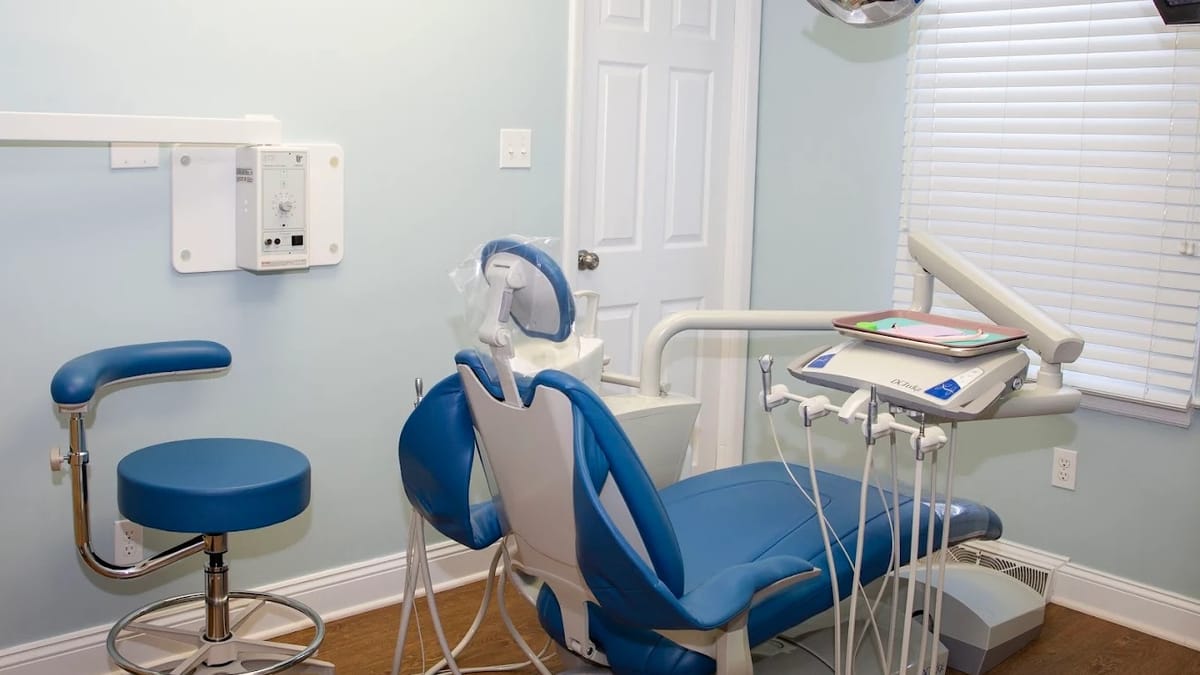
Straightforward wisdom teeth are removed here, at Radiant Smiles, under local anaesthetic, with nitrous oxide sedation if you want it.
Deeply impacted teeth, teeth wrapped around a nerve, and cases that call for general anaesthetic are referred to an oral surgeon. We would rather send you to the right person than attempt something we should not.
Be wary of any practice unwilling to draw that line. A lower wisdom tooth sitting on the nerve that supplies your lip is not a place for optimism, and permanent numbness of the lip is a real complication of a badly judged extraction.
Afterwards — the forty-eight hours that matter
Do not smoke, spit, use a straw, or rinse vigorously. All four can dislodge the blood clot in the socket, which causes a dry socket — a deep, radiating ache that arrives around day three and is genuinely unpleasant. It is also almost entirely avoidable, which is why we are being this specific.
Bite on the gauze for as long as you are told. Cold compress on the outside of the cheek. Soft, cool, unexciting food — yoghurt, eggs, lukewarm soup. Chew on the other side.
Take the painkillers before the anaesthetic wears off, not after. Getting ahead of it is much easier than catching up.
Call us if the pain gets worse after day three rather than better. That is the pattern that suggests a dry socket or an infection, and both are quickly treated.
Questions people ask
Does it hurt?
You will be numb, and you should feel pressure and movement, not pain. Afterwards, sore for a few days, handled by over-the-counter painkillers.
Do all four have to come out at once?
No. It is often done that way for convenience — one recovery instead of four — but it is a choice, not a rule. If you would rather do one side at a time, say so.
Is there an ideal age?
Late teens and early twenties are easier: the roots are not fully formed and the bone is more forgiving. It is entirely possible at fifty; it just tends to be more involved.
Will removing them change my face?
No.
Can I keep them if they are impacted but symptom-free?
Sometimes — it depends on what the X-ray shows, particularly whether they are damaging the tooth in front. This is precisely the conversation to have with the X-ray on the screen in front of you.
---
Bring the X-ray question to us and get a straight answer, including "leave them alone" if that is the answer. Tooth extraction in Bridgeport, or call (203) 372-0881.
Educational, not a diagnosis. Whether your wisdom teeth should be removed can only be established by an examination and an X-ray.