
Tooth Extraction in Bridgeport, CT
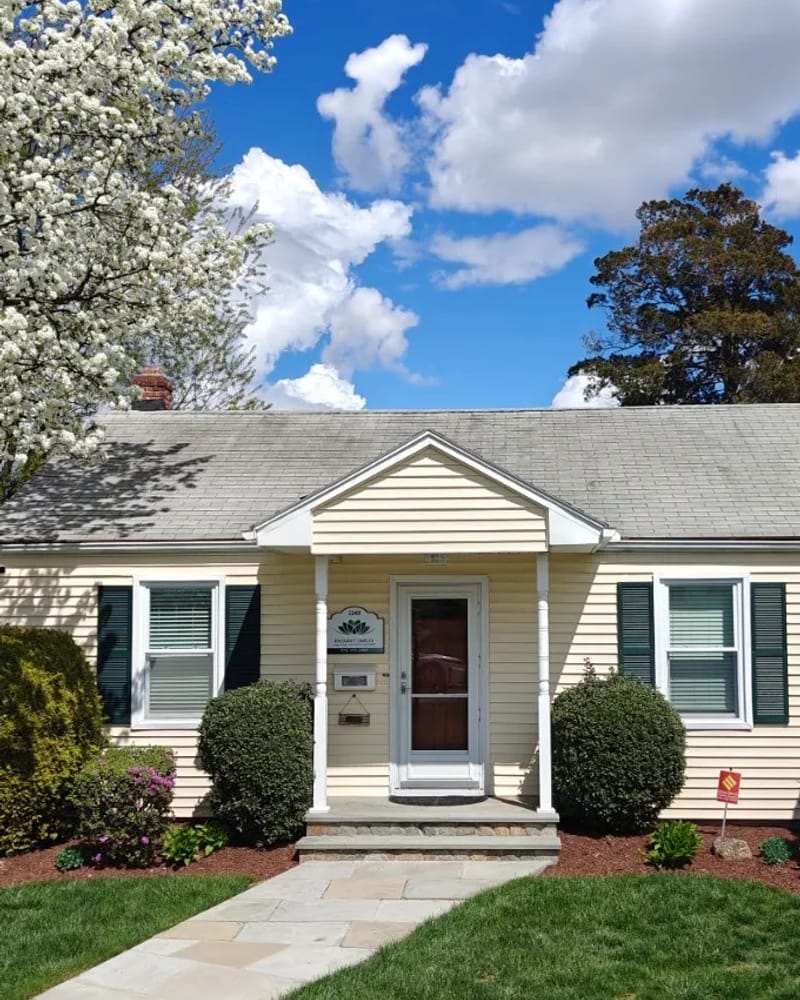
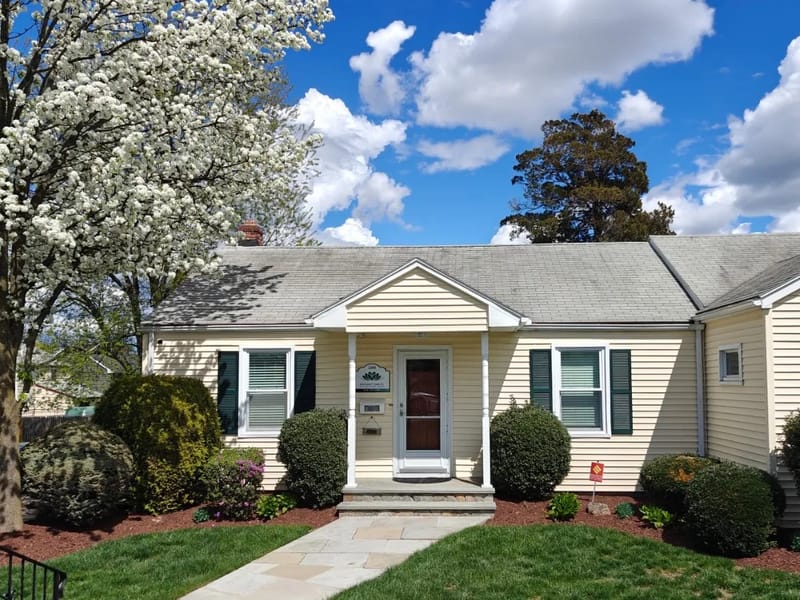
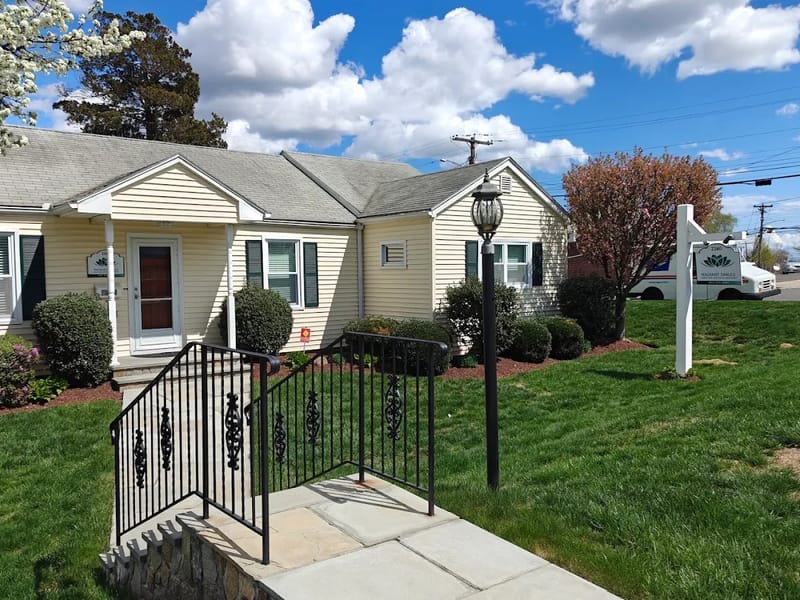
Radiant Smiles performs tooth extractions in Bridgeport when a tooth cannot be saved. Simple and surgical extractions are done here by Dr. Jasmeet Kaur, D.D.S. at 2240 Madison Avenue; complex or deeply impacted wisdom teeth may be referred to an oral surgeon.
NEEDS SIGN-OFF K-03 Claims about the practice — Wisdom teeth: simple in-house, impacted REFERRED. Approve as written, or give the correction.
Before anything else: an extraction should be the second-to-last resort, and this page is going to try to talk you out of one.

First, can the tooth be saved?
NEEDS SIGN-OFF C-05, C-10, C-11, C-24 Costs stated here — three-unit bridge $3,500–$6,000; extraction (quoted as one range) $200–$700; single implant, post+abutment+crown $4,000–$6,500; root canal + crown, total $2,400–$4,200. Approve as written, or give the correction.
Very often, yes — and it is worth asking properly, because a tooth is much cheaper to keep than to replace.
A tooth with deep decay or a dying nerve usually needs a root canal and a crown, not removal. That runs roughly $2,400 to $4,200 all in. Removing it instead costs $200 to $700 today — and then leaves you choosing between a gap, a bridge at $3,500 to $6,000, or an implant at $4,000 to $6,500 and six months of healing.
Pulling it is cheaper today and more expensive later. That is nearly always the shape of the decision.
Sometimes the tooth genuinely cannot be saved: the crack runs below the bone, too little tooth remains to hold a crown, or the supporting bone has been lost to gum disease. When that is the case Dr. Kaur will tell you so directly, and take it out rather than sell you treatment that is going to fail.
What the appointment is like
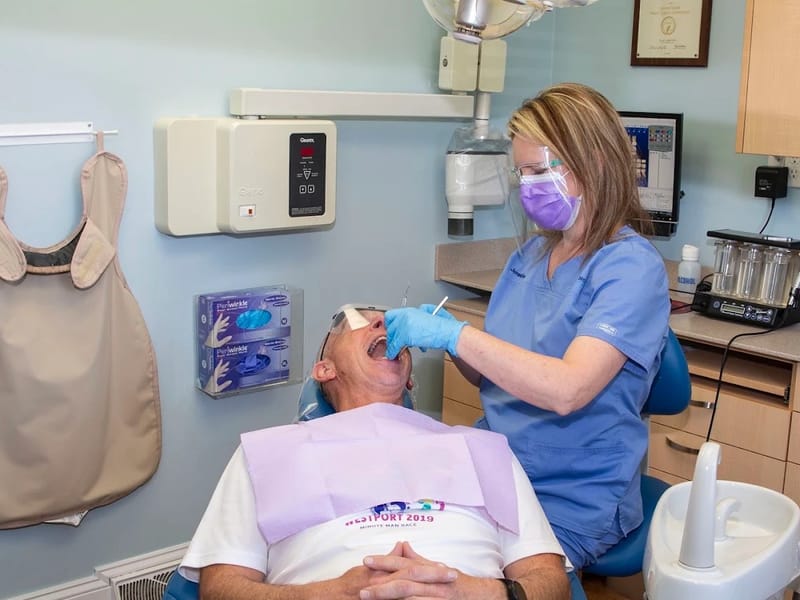
You will be numb, thoroughly, and Dr. Kaur will check that you are before she begins.
What you should feel is firm pressure and movement — a tooth is not so much pulled as loosened until it lifts out — and not pain. If you feel anything sharp, you say so and it stops. Nitrous oxide sedation is available, and for a great many people the anxiety is the harder half of this appointment, not the tooth.
A simple extraction, on a tooth that is fully through the gum and intact, is usually a matter of minutes.
A surgical extraction — where the tooth has broken down, is impacted, or sits below the gum — takes longer, may involve a small incision, and usually needs a stitch or two. It is still done under local anaesthetic.
Wisdom teeth
NEEDS SIGN-OFF K-03 Claims about the practice — Wisdom teeth: simple in-house, impacted REFERRED. Approve as written, or give the correction.
Not every wisdom tooth needs to come out, and anyone who tells you otherwise without looking at an X-ray is guessing.
Leave them alone if they have come through straight, you can actually clean them, and they are not damaging the tooth in front. Plenty of people keep theirs for life.
They need to come out if they are impacted and causing problems, repeatedly infected, decayed beyond repair, or pressing into the tooth in front and destroying it.
And here is the scoping, plainly: straightforward wisdom teeth are removed here. Deeply impacted teeth, those wrapped around a nerve, and cases that call for general anaesthetic are referred to an oral surgeon. We would rather send you to the right person than attempt something we should not, and you should be wary of any practice unwilling to draw that line.

Afterwards — the part that actually matters
The first forty-eight hours decide whether this is uneventful or miserable.
Do not smoke, spit, use a straw, or rinse vigorously. All four can dislodge the blood clot in the socket, which causes a dry socket — a deep, radiating ache that arrives around day three and is genuinely unpleasant. It is also almost entirely avoidable, which is why we are being so specific.
Bite on the gauze for the time you are told. Use a cold compress on the outside of the cheek. Eat soft, cool and unexciting food — yoghurt, eggs, lukewarm soup, mashed potato — and chew on the other side. Take the painkillers before the anaesthetic wears off rather than after.
The gum closes over in one to two weeks. The bone underneath fills in over several months.
**Call us if the pain gets worse after day three rather than better.** That is the pattern that suggests a dry socket or an infection, and both are quickly treated. Pain that steadily improves is normal healing.
What it costs
NEEDS SIGN-OFF C-08, C-09 Costs stated here — simple extraction $200–$400; surgical extraction $400–$700. Approve as written, or give the correction.
In this area, a simple extraction typically runs $200 to $400, and a surgical extraction $400 to $700.
Most dental plans do cover a meaningful share of extractions. Radiant Smiles is currently out-of-network with most plans, and we will tell you what yours pays before we begin. How that works.
And ask us, before you agree to it, what you will do about the gap afterwards. That is a conversation to have now, not in five years when the teeth either side have tilted.
Call (203) 372-0881.
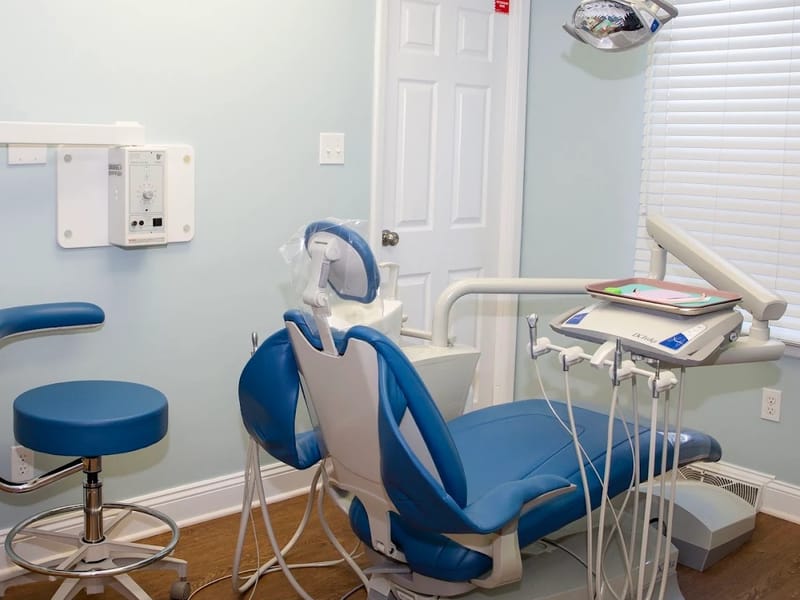
Ranges, not quotations. What your treatment costs depends on what you actually need, and you will be given a firm figure after an examination — before anything begins.
Related care
Root Canal Treatment
Infected pulp removed so the natural tooth can be kept. The tooth is numbed first, and most patients describe it as similar to having a filling.
Learn moreDental Implants
A titanium post replaces the root of a missing tooth and carries a custom crown. Placed and restored in-house by Dr. Kaur. Firm quote after an X-ray.
Learn more
Emergency Dentistry
Same-day appointments for severe tooth pain, a broken or knocked-out tooth, swelling, or a lost crown. Call (203) 372-0881.
Learn moreFrequently asked questions
Does having a tooth out hurt?
The long answer: Root Canal or Extraction? How the Decision Is Actually Made
How much does a tooth extraction cost?
Do my wisdom teeth have to come out?
The long answer: Do My Wisdom Teeth Actually Need to Come Out?
How long does it take to heal after an extraction?
What can I eat after an extraction?
Should I have a root canal or just pull the tooth?
The long answer: Root Canal or Extraction? How the Decision Is Actually Made
Book with a dentist who will tell you when you do not need the treatment
Dr. Jasmeet Kaur, D.D.S. publishes her cost ranges, explains the cheaper option first, and says plainly when the honest answer is to do nothing. Accepting new patients, including children.