
Dental Bonding in Bridgeport, CT
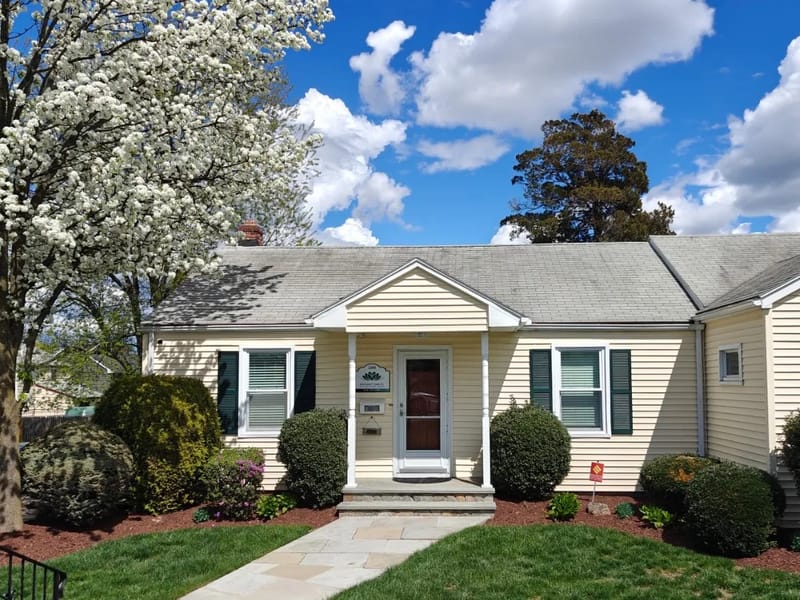
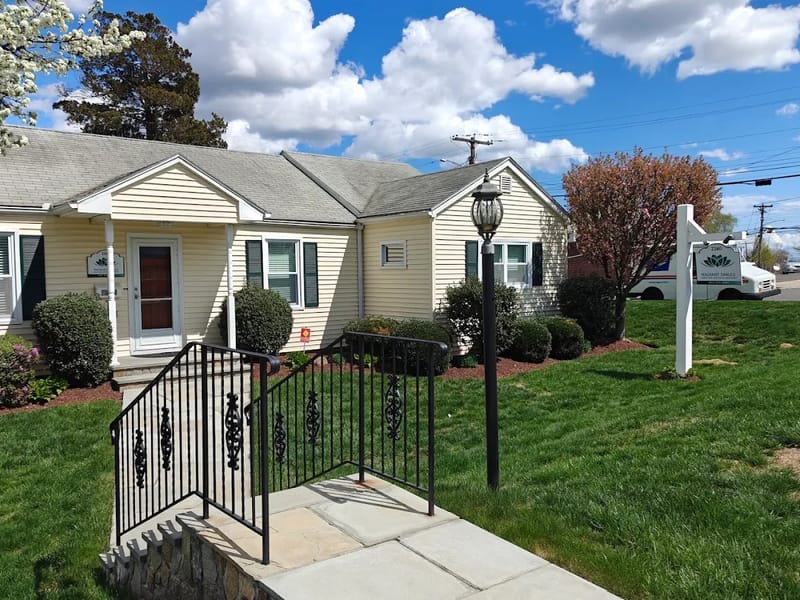
Dental bonding at Radiant Smiles in Bridgeport repairs a chipped, cracked or gapped tooth with tooth-coloured composite resin, usually in a single visit. Dr. Jasmeet Kaur, D.D.S. shapes and polishes it against your own teeth at 2240 Madison Avenue.
It is the cheapest cosmetic treatment there is, and for a small chip it is very often the right one.
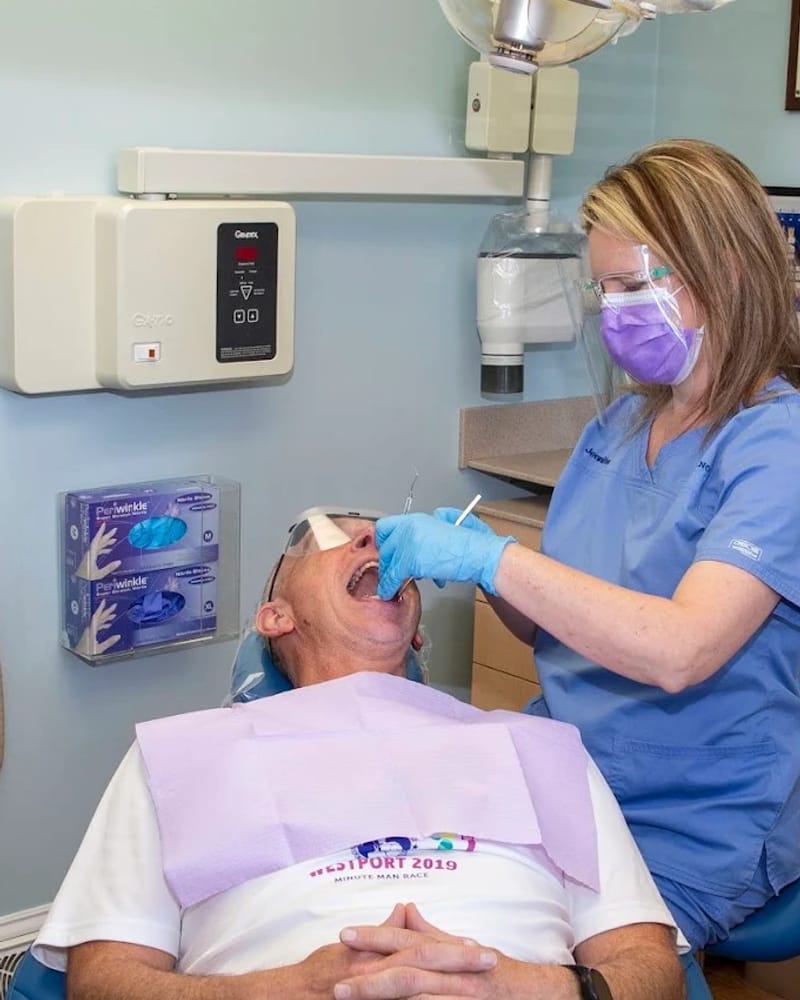

What happens in the appointment
One visit, usually under an hour, and frequently without any anaesthetic at all — on a simple chip there is no drilling and nothing to numb.
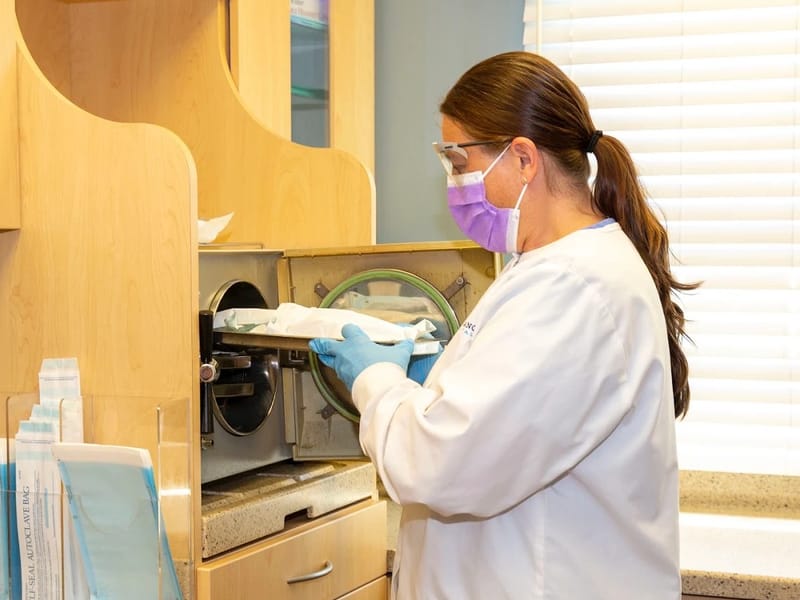
The surface of the tooth is lightly prepared, a shade of composite is matched against your own tooth in daylight, and the resin is applied in layers, shaped by hand, hardened with a light, then trimmed and polished until it disappears into the tooth. You walk out with it done.
That "shaped by hand" is not a small detail. A veneer is made in a laboratory; bonding is sculpted in your mouth by the dentist, in real time. It is a craft skill, and it is why two bondings on the same tooth by two dentists do not look the same.
What it is genuinely good at
A chipped corner on a front tooth. The classic case. One visit, a few hundred dollars, and nobody can tell.
A small gap between the front teeth. Composite is added to the inner edge of both teeth until the gap closes. The limit is proportion — beyond a certain width, closing a gap this way makes the two front teeth conspicuously wide, and moving them together with clear aligners gives the better result. Dr. Kaur will show you which case you are.
A tooth that is slightly short, or one that sits a fraction behind its neighbour and catches the light wrong.
A small area of decay at the gum line, or an exposed root surface that has become sensitive.
What it is not good at
A whole smile. Bonding on eight or ten teeth will look good for two or three years and then begin to look like bonding on eight or ten teeth — the edges pick up stain, the surfaces dull, and the result drifts. For a full smile change, veneers cost several times more and are worth it.
Heavy biting force. Composite is softer than porcelain and softer than enamel. On an edge that takes the brunt of your bite, it chips.
Resisting coffee. Composite stains, particularly at the margins where it meets the tooth. It also does not whiten, so it will not track the colour of your teeth if you bleach them later.
Bonding or veneers?
NEEDS SIGN-OFF C-20 Costs stated here — porcelain veneer, per tooth $1,400–$2,500. Approve as written, or give the correction.
The trade is straightforward, and it is worth stating plainly.
Bonding costs a few hundred dollars per tooth, is done in one visit, and on a simple repair removes no enamel — it is essentially reversible. It lasts five to eight years and can be repaired and repolished when it does not.
[Veneers](/blog/veneers-vs-bonding) cost $1,400 to $2,500 per tooth, take several appointments, and are permanently irreversible because enamel is removed. They resist stain far better and last roughly twice as long.
For one chipped corner, bonding is almost always the honest answer, and a dentist who steers you straight to veneers for a single chip is worth a second opinion. For a whole smile you want changed in colour, shape and proportion, bonding will disappoint you and veneers will not.
What it costs
NEEDS SIGN-OFF C-19 Costs stated here — composite bonding, per tooth $350–$750. Approve as written, or give the correction.
In this area, bonding usually runs $350 to $750 per tooth.
Where the chip is the result of damage rather than appearance, some plans do contribute — a tooth broken in an accident is restorative, not cosmetic, and the distinction matters to your insurer. Radiant Smiles is currently out-of-network with most plans, and we will tell you honestly which side of that line your tooth falls on. How the out-of-network side of things works.
Making it last
NEEDS SIGN-OFF K-18 Claims about the practice — Custom mouthguards / night guards from a scan. Approve as written, or give the correction.
Bonding rewards small habits and punishes a few specific ones.
Stop biting things that are not food. Fingernails, pens, bottle caps, ice. Composite is softer than enamel and it chips at the edge — which, on a front tooth, is precisely the edge people see.
Mind the first forty-eight hours. Composite reaches full strength quickly, but new bonding picks up stain most readily while it is fresh. Coffee, red wine, curry and tobacco are worth avoiding for a couple of days.
Come back for a polish. Bonding dulls and picks up stain at the margins over the years. A polish at your cleaning restores most of it, costs almost nothing, and buys you time before it needs replacing.
Wear the night guard if you grind. Grinding will destroy bonding faster than anything else on this list, and it will not stop on its own.
Done well and looked after, five to eight years is normal. Done well and neglected, two.
Chipped it today? Call (203) 372-0881. Bonding is often a same-day appointment.
Ranges, not quotations. What your treatment costs depends on what you actually need, and you will be given a firm figure after an examination — before anything begins.
Related care
Cosmetic Dentistry
Porcelain veneers, professional whitening, tooth-coloured bonding and clear aligners. Dr. Kaur reviews the options and the cost at a consultation.
Learn more
Porcelain Veneers
Thin custom porcelain shells bonded to the front of teeth to change shape, colour or alignment. Irreversible, and quoted per tooth after a consultation.
Learn more
Emergency Dentistry
Same-day appointments for severe tooth pain, a broken or knocked-out tooth, swelling, or a lost crown. Call (203) 372-0881.
Learn moreFrequently asked questions
How long does dental bonding last?
How much does dental bonding cost?
The long answer: Veneers or Bonding? Cost, Lifespan and What You Give Up
Should I get bonding or veneers?
The long answer: Veneers or Bonding? Cost, Lifespan and What You Give Up
Can bonding close the gap between my front teeth?
Will whitening work on my crowns or veneers?
Book with a dentist who will tell you when you do not need the treatment
Dr. Jasmeet Kaur, D.D.S. publishes her cost ranges, explains the cheaper option first, and says plainly when the honest answer is to do nothing. Accepting new patients, including children.