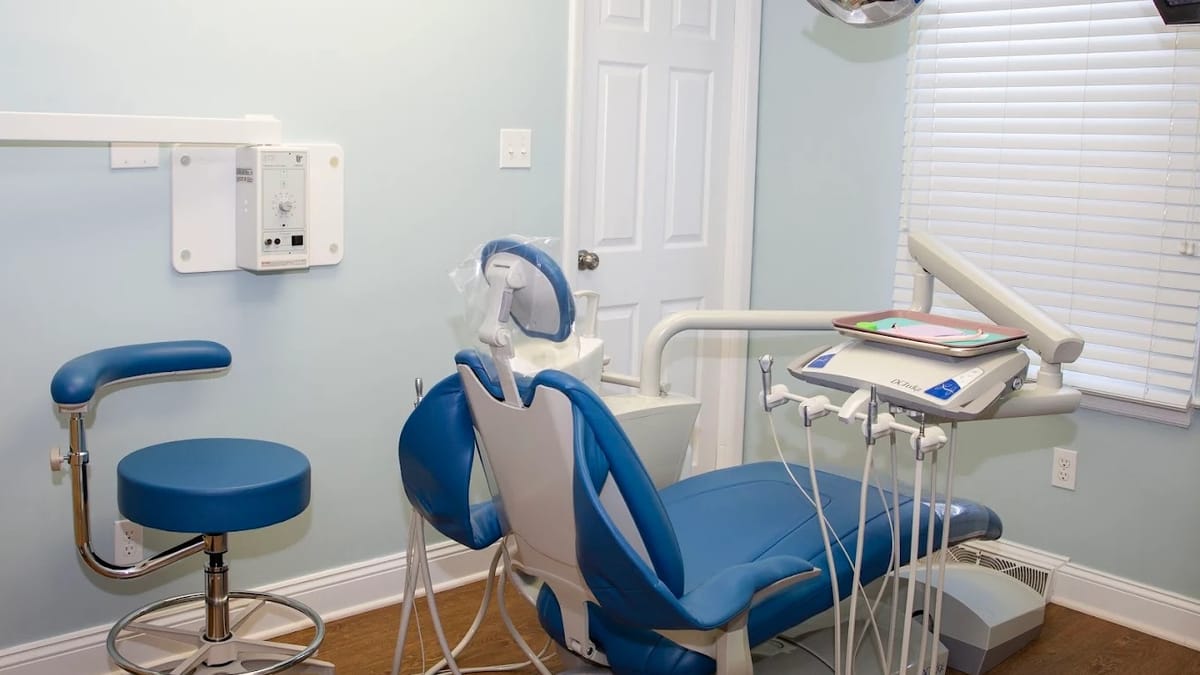

No. The tooth is numbed thoroughly first, and most patients describe the appointment as similar to having a filling — long, but not painful.
The pain everyone associates with root canals is the pain of the infection that made the root canal necessary. The treatment is what stops it. Blaming the root canal for that pain is like blaming the ambulance for the accident.
Where the reputation came from
Two places, and both are worth knowing.
The infection. A dying nerve inside a rigid tooth is genuinely one of the worst pains in medicine. It throbs, it does not respond well to painkillers, and it keeps you awake. That is what people remember, and it happened before the dentist touched them.
And history. Root canal treatment in 1965 was a different procedure, done with different anaesthetics, different instruments and a poorer understanding of the anatomy. The reputation was earned then and it has outlived the reality by fifty years — passed down by people who never had one.
What you will actually feel
Numbing. Topical gel first, so the injection is not felt going in. Then the anaesthetic, given slowly — and slowly is the whole trick, because anaesthetic injected quickly stings from the pressure of the fluid, not from the needle.
Then several minutes of waiting, which is not the dentist dawdling; it is the anaesthetic working. Then a check: are you numb? Nothing begins until you have said yes, out loud.
The rubber dam. A small sheet stretched over the tooth. Patients dislike the sound of this and then, almost universally, prefer it: nothing to taste, nothing running into your throat, and no need to swallow around instruments.
The treatment itself. A long appointment during which very little happens to you. You will hear small instruments and occasional water. The commonest complaint afterwards is that the jaw ached from being open — which tells you most of what you need to know.
Ask for a bite block and ask for breaks. Both are normal requests.
Afterwards
The tooth is tender for a few days — bruised, rather than painful — and over-the-counter painkillers handle it comfortably.
Take them before the numbness wears off rather than after. Getting ahead of it is much easier than catching up.
Call us if the pain gets worse after day three rather than better. Steadily improving is normal healing. Worsening is not, and it is quickly dealt with.
If a tooth is very infected
Numbing can be harder, because infection changes the local chemistry around the nerve.
Say something if you feel anything sharp. There are additional techniques available and you do not have to be brave about it. A dentist who tells you to push through is failing at the easiest part of the job.
If it is the appointment rather than the pain
NEEDS SIGN-OFF K-06 Claims about the practice — Nitrous offered; IV / general sedation NOT offered. Approve as written, or give the correction.
For a great many people, the drill is not the problem. The problem is lying back, immobilised, unable to speak, while someone works on your face with instruments you cannot see.
That is not irrational and it has nothing to do with teeth. It is about control.
So take some back. Agree a stop signal — a raised hand — and insist it is honoured immediately. Ask to be told before each step. Bring headphones. And ask about nitrous oxide sedation: you stay awake and aware, the appointment simply stops mattering, and it clears within minutes so you can usually drive yourself home.
This appointment is exactly what nitrous is for.
Questions people ask
How long does it take?
Often one appointment, sometimes two if there is active infection to settle first. A molar takes longer than a front tooth — more canals to find and clean.
Will I need a crown afterwards?
On a back tooth, almost always. A root-treated molar is brittle, and the commonest way people lose one is skipping the crown and splitting the tooth six months later.
Is it better to just have the tooth out?
NEEDS SIGN-OFF C-10, C-11 Costs stated here — extraction (quoted as one range) $200–$700; single implant, post+abutment+crown $4,000–$6,500. Approve as written, or give the correction.
Cheaper today, more expensive later. Extraction costs $200 to $700; replacing the tooth with an implant afterwards costs $4,000 to $6,500. Saving your own tooth is usually the better deal over ten years.
Can antibiotics fix it instead?
No. Antibiotics travel in the blood, and the inside of an infected tooth has no blood supply — which is precisely why it is infected. They reduce swelling and buy time. The infection comes back.
Will the tooth go dark?
NEEDS SIGN-OFF K-17 Claims about the practice — Internal bleaching offered. Approve as written, or give the correction.
A front tooth sometimes does, over years. Internal bleaching usually corrects it at a fraction of the cost of a veneer. Ask before you accept porcelain as the only answer.
---
In pain now? Call (203) 372-0881. Root canal treatment in Bridgeport.
Educational, not a diagnosis. If you have facial swelling with fever, or difficulty swallowing or breathing, go to a hospital — that is a medical emergency.